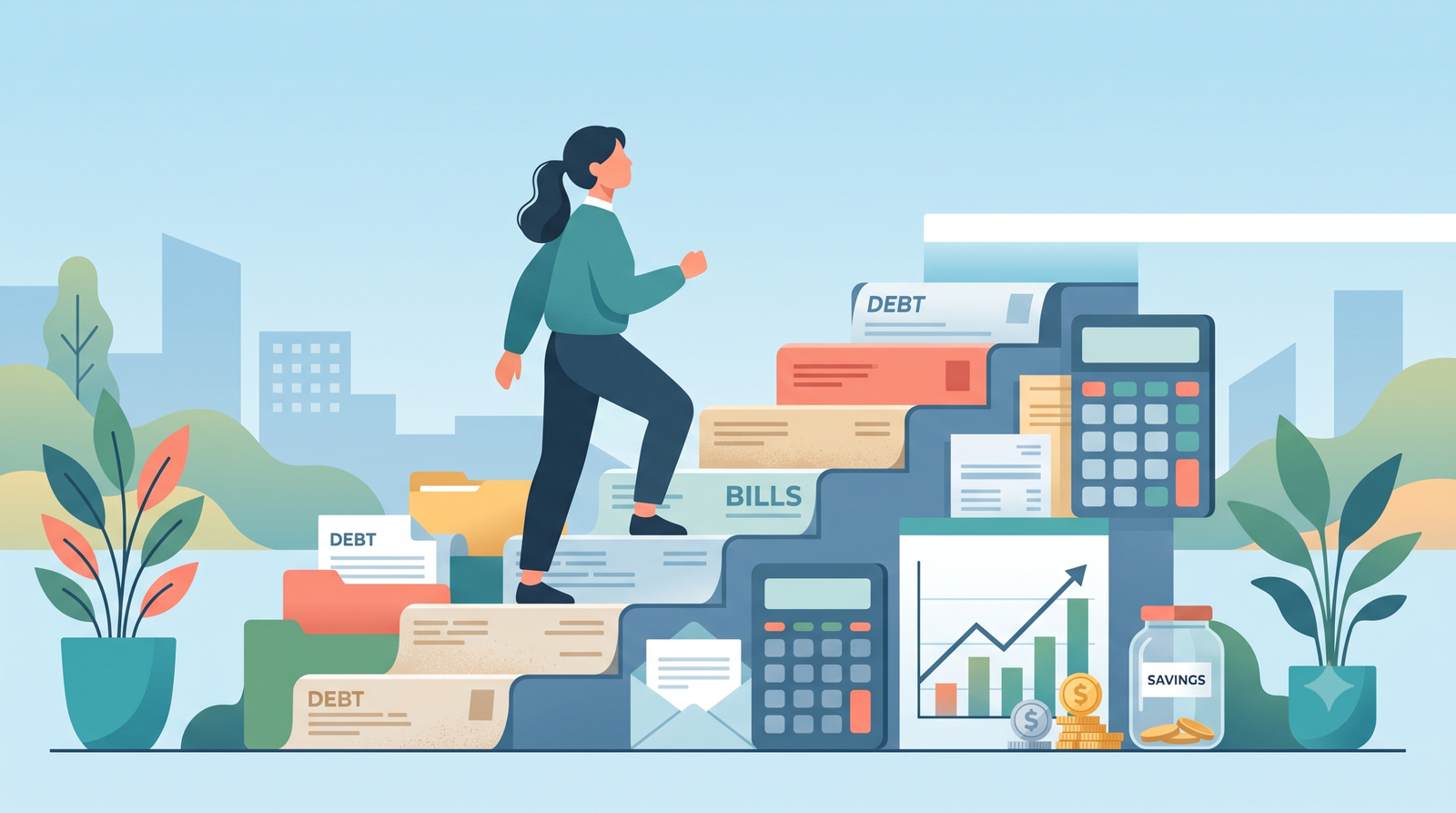
Debt payoff is often presented as a simple calculation.
List the balances, make the required payments, add extra money to one account, and continue until the debt reaches zero.
The math matters, but it does not explain the entire experience.
Paying off debt can feel difficult because:
- Progress is slow
- Interest keeps adding to the balance
- Payments reduce money available today
- Several accounts compete for attention
- Unexpected expenses interrupt the plan
- Debt can create shame
- The original purchase may be long forgotten
- Motivation changes over time
- Life continues while you are trying to repay the past
If you have asked, “Why is paying off debt so hard?”, the answer is usually not that you lack discipline. Debt repayment requires money, patience, emotional energy, and a plan that can survive ordinary disruptions.
This guide explains the psychology of debt payoff, why motivation fades, how to handle setbacks, and which systems can help you continue without creating new financial problems.
It also connects with debt payoff strategy and debt snowball versus debt avalanche.
Debt Is More Than a Balance
A debt balance is a number, but it may also represent:
- A past emergency
- Education
- Housing
- Medical care
- A vehicle
- Family support
- A business attempt
- Everyday spending
- A decision made under pressure
This can make the account emotionally difficult to look at.
You may feel:
- Shame
- Anger
- Regret
- Fear
- Embarrassment
- Resentment
- Exhaustion
- Frustration
These emotions can lead to avoidance. You may stop opening statements, ignore messages, or avoid checking the balance.
Avoidance is understandable, but it makes the numbers harder to manage. A more useful approach is to separate the debt from your identity.
Instead of:
I am bad with money.
Try:
I have a debt balance, and I am creating a plan to manage it.
The debt is a financial problem. It is not a complete description of who you are.
Why Progress Can Feel Invisible
Debt payments may be large, but the balance may decline slowly because interest continues to accrue.
For example, a $5,000 credit card balance may receive a $200 payment, but interest and new charges reduce the amount that actually lowers the principal.
Progress can also be hidden because you are not receiving something new when you make a payment. You are reducing an old obligation.
Unlike buying a product, debt repayment does not create an immediate visible reward.
To make progress easier to see, track:
- Total debt
- Principal reduction
- Interest paid
- Number of accounts
- Monthly payment
- Percentage repaid
- Milestones reached
If the balance declines from $5,000 to $4,700, the progress is real even if the total still feels large.
The Emotional Cost of Paying Debt
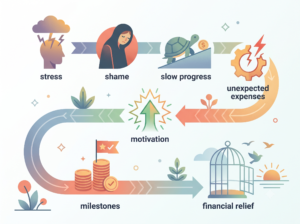
Debt repayment can create a feeling that your income belongs to the past.
You may think:
- I work hard but cannot enjoy my money
- Everyone else is moving forward
- I cannot make progress fast enough
- One emergency will ruin everything
- I should have known better
- I am missing out while making payments
These thoughts can lead to two opposite behaviors:
Over-Restriction
You remove every enjoyable activity, create an unrealistic budget, and eventually feel exhausted.
Rebound Spending
You become frustrated with restrictions and spend impulsively, creating new debt.
A sustainable plan includes both responsibility and a realistic amount of enjoyment.
Make the Debt Specific
Vague debt creates vague anxiety.
Instead of thinking:
I have too much debt.
Write down:
- Creditor
- Balance
- Interest rate
- Minimum payment
- Due date
- Repayment order
- Target date
- Extra payment amount
A debt table turns fear into a set of decisions.
You can then choose a method:
- Snowball: smallest balance first
- Avalanche: highest interest first
- Hybrid: a combination
- Special priority: urgent, overdue, or secured debt
The right method depends on your numbers and behavior.
Build a Budget That Allows Debt Repayment
A debt plan must fit into your actual life.
Include:
- Housing
- Utilities
- Food
- Transportation
- Healthcare
- Insurance
- Minimum debt payments
- Emergency savings
- Irregular expenses
- Personal spending
If your plan sends every available dollar to debt, one unexpected repair may force you to borrow again.
Create small sinking funds for predictable expenses such as:
- Car maintenance
- Annual bills
- School costs
- Medical appointments
- Birthdays
- Home repairs
This allows you to make extra payments without pretending that ordinary future costs do not exist.
Use Milestones Instead of Only the Final Goal
Being debt-free may be years away. Milestones create shorter periods of progress.
Possible milestones include:
- First $100 paid
- First account cleared
- $500 reduction
- 10% of total debt repaid
- One month without new debt
- Credit card balance below a target
- Interest charges reduced
- Emergency buffer created
Celebrate milestones without using debt or spending the money intended for repayment.
A free activity, favorite meal at home, or simple progress chart can provide recognition without reversing the financial work.
Automate Required Payments
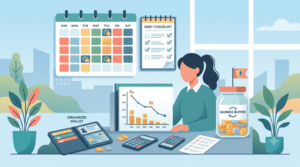
Automatic payments can help prevent:
- Missed due dates
- Late fees
- Additional credit damage
- Forgotten accounts
- Stress from repeated decisions
Set reminders or automatic payments for minimum amounts, then make extra payments manually or automatically according to your plan.
Check that enough money is available. An automatic payment that causes an overdraft can create another problem.
Keep a list of payment dates and review statements regularly.
Deal With Setbacks Without Abandoning the Plan
Setbacks may happen because of:
- Job loss
- Reduced hours
- Medical costs
- Family responsibilities
- Vehicle repairs
- Higher prices
- Home damage
- Unexpected travel
- Poor planning
A setback does not erase previous progress.
Use this process:
- Stop and assess the new situation.
- Pay essential bills and required debt payments.
- Contact creditors early if needed.
- Reduce optional spending temporarily.
- Pause extra payments if necessary.
- Protect a small emergency buffer.
- Recalculate the payoff timeline.
- Resume the plan when stable.
Do not respond to one difficult month by abandoning the entire strategy.
Handle Shame and Financial Avoidance
Shame can make debt feel like a secret that must be hidden.
Avoidance may include:
- Not opening statements
- Ignoring calls
- Refusing to discuss debt
- Hiding purchases
- Avoiding account balances
- Pretending the problem is smaller than it is
A practical response is to set a short, scheduled debt review.
For example, spend 20 minutes each week:
- Checking balances
- Confirming payments
- Reviewing interest
- Updating the plan
- Recording progress
Stop after the scheduled time. The purpose is to create a manageable habit, not to think about debt constantly.
If debt causes severe anxiety or affects your safety and relationships, consider speaking with a qualified counselor or mental health professional.
Use Support Carefully
Support may come from:
- A partner
- Family
- A nonprofit counselor
- A financial coach
- A trusted friend
- A community service
- A qualified adviser
Be cautious of companies that:
- Guarantee debt elimination
- Promise instant results
- Charge large upfront fees
- Tell you to stop communicating with creditors
- Advise you to ignore payments
- Encourage false disputes
- Hide the total cost
- Pressure you to sign quickly
Read the terms and verify the organization before sharing personal or financial information.
Consider Lowering Interest Costs
Interest can make debt repayment feel unusually slow.
You may consider:
- Asking the lender for a lower rate
- Reviewing a promotional transfer
- Comparing refinancing
- Exploring consolidation
- Negotiating a payment arrangement
- Using a reputable nonprofit counseling service
Each option has risks and conditions.
Compare:
- New interest rate
- Fees
- Repayment term
- Total cost
- Variable rates
- Loss of protections
- Consequences of missed payments
Read how to negotiate a lower interest rate and debt consolidation pros and cons before accepting a new arrangement.
A Realistic Debt Motivation Example
Suppose someone has $12,000 in total debt and can pay an extra $300 each month.
At first, the plan feels successful because the person is making extra payments. After three months, the total balance has declined but not as dramatically as expected because interest continues to accrue.
The person becomes discouraged and considers giving up.
Instead, they create milestones:
- First $1,000 reduction
- One account below $1,000
- Three months without new debt
- Interest charges reduced
- Emergency buffer maintained
They also set aside $50 monthly for car maintenance so an expected repair does not go onto a credit card.
The debt still takes time, but the person can see several forms of progress rather than waiting only for the final zero balance.
Common Debt Payoff Psychology Mistakes
- Expecting instant results: Interest and minimum payments may slow progress.
- Using shame as motivation: Shame often leads to avoidance.
- Creating an impossible budget: Extreme restrictions are difficult to maintain.
- Ignoring emotional triggers: Stress can lead to new borrowing.
- Failing to plan irregular expenses: Predictable costs can interrupt repayment.
- Comparing your timeline with someone else’s: Income and debt differ.
- Paying debt while using new credit: The balance may not decline.
- Abandoning the plan after one setback: Adjust instead of quitting.
- Relying on motivation only: Automation and reminders provide structure.
- Hiding debt from a partner: Shared financial decisions require honest information.
Frequently Asked Questions
Why is paying off debt so hard?
Debt payoff is difficult because interest, slow progress, emotional stress, unexpected expenses, and limited disposable income can all work against the plan.
How can I stay motivated while paying off debt?
Use milestones, track progress, choose a realistic payment, automate required bills, reduce emotional triggers, and celebrate progress without creating new debt.
Should I stop saving while paying debt?
A small emergency buffer may reduce the chance of taking on new debt after an unexpected expense. The right balance depends on the debt’s cost and your household situation.
What if I cannot make extra payments every month?
Continue required payments, review your budget, reduce avoidable expenses, and use extra income when available. A smaller consistent payment is better than an unrealistic promise.
Should I use the debt snowball or avalanche?
The snowball focuses on motivation through small balances, while the avalanche focuses on reducing interest. Choose the method you can follow consistently.
Can debt affect mental health?
Debt can contribute to stress, anxiety, shame, and relationship conflict. Financial planning and qualified emotional support may both be helpful.
How do I handle debt after an emergency?
Prioritize essential bills and required payments, contact creditors early, protect a basic buffer, and temporarily adjust extra payments until your situation stabilizes.
Is debt consolidation always helpful?
No. Compare interest, fees, total repayment, term, and risks. Consolidation helps only when it improves the overall repayment situation.
Key Takeaways
- Debt payoff is both a financial and emotional process.
- Slow progress does not mean the plan is failing.
- Create a complete debt list and choose a repayment method.
- Build a realistic budget that includes essential costs, irregular expenses, and a small buffer.
- Use milestones to make progress visible.
- Automate required payments and review accounts regularly.
- Treat setbacks as reasons to adjust the plan, not abandon it.
- Avoid shame, secrecy, and companies promising instant debt relief.
- Compare interest-reduction and consolidation options carefully.
- Readers can continue with debt payoff strategy, debt snowball vs debt avalanche, and how to negotiate a lower interest rate.
Paying off debt feels difficult because the balance is only one part of the problem. You are also managing time, emotions, unexpected expenses, and the opportunity cost of using today’s income to repay yesterday’s decisions.
A realistic system can make the process more manageable. Keep required payments current, choose a method you can follow, prepare for predictable costs, and measure small improvements along the way.
This article is for informational purposes only and is not financial advice.
Leave a Reply
You must be logged in to post a comment.