Opening a renewal notice and seeing a higher insurance premium can be frustrating, especially when you have not filed a claim or changed your policy.
You may wonder:
- Did I do something wrong?
- Why did my premium rise?
- Should I switch insurers?
- Can I lower the cost?
- Will reducing coverage create a dangerous gap?
- Is the increase temporary or permanent?
Insurance prices can change for reasons connected to your personal circumstances, the policy itself, or broader conditions affecting claims and repair costs.
A premium increase does not always mean your insurer is accusing you of being riskier. It may reflect higher replacement costs, more expensive medical treatment, increased claims in your area, changes in regulations, or revised pricing.
This guide explains why your insurance premium increased, which personal and broader factors can affect pricing, what to check on a renewal notice, and how to reduce costs without creating inadequate coverage.
Insurance pricing varies by country, provider, policy type, and risk profile. Review the actual terms of your policy before making changes.
What Is an Insurance Premium?
A premium is the amount you pay to keep an insurance policy active.
Depending on the policy, it may be paid:
- Monthly
- Quarterly
- Twice a year
- Annually
The premium is based on the insurer’s estimate of risk, expected claims, operating expenses, policy limits, deductibles, discounts, and other pricing factors.
The premium is separate from:
- The deductible
- A claim payment
- A copayment
- A policy limit
- A service fee
- A cancellation charge
A higher premium does not automatically mean you receive better coverage. Compare limits, exclusions, deductibles, and benefits before deciding whether a policy remains suitable.
Common Reasons Insurance Premiums Increase
1. The Cost of Repairs Has Increased
Insurance claims often involve materials, labor, replacement parts, medical treatment, or specialist services.
If these costs rise, insurers may adjust premiums to reflect the potential cost of future claims.
This may affect:
- Home repairs
- Vehicle parts
- Construction labor
- Medical procedures
- Replacement electronics
- Professional services
Even if your personal history has not changed, the cost of settling a claim may be higher than it was previously.
2. Your Property Value or Replacement Cost Changed
A home’s market value is not always the same as its rebuilding cost.
Premiums may increase after:
- Renovations
- New construction
- Higher local labor costs
- Updated building requirements
- Increased material costs
- Changes to the property
- A revised replacement estimate
Do not automatically reduce coverage because the premium increased. First ask whether the insured amount has changed and whether the new estimate is reasonable.
3. Claims Increased in Your Area
Insurers may consider claims across a location, not only your personal history.
Premiums may be affected by increases in:
- Theft
- Vehicle accidents
- Storm damage
- Flooding
- Wildfires
- Property damage
- Medical claims
- Severe weather
A household may experience an increase even after making no claim itself.
4. Your Personal Circumstances Changed
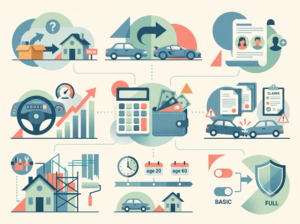
Review whether any of these changed:
- Address
- Vehicle
- Mileage
- Drivers
- Occupation
- Household members
- Home use
- Business activity
- Claims history
- Coverage limits
- Deductibles
- Beneficiaries
- Payment method
Some changes may lower a premium, while others may increase it.
For example, moving to a different area, adding a driver, or using a vehicle for longer commutes may change the risk calculation.
5. You Lost a Discount
Your previous premium may have included discounts that no longer apply.
Possible discounts include:
- Multi-policy discount
- Safe-driving discount
- Low-mileage discount
- Security-system discount
- Loyalty discount
- Claims-free discount
- Payment-in-full discount
- Student or professional discount
Check the renewal documents to see whether a discount disappeared or expired.
Ask the insurer which discounts you currently receive and whether you qualify for others.
6. A Promotional Rate Ended
Some policies or services begin with a temporary promotional price.
When the introductory period ends, the premium may rise to the standard rate.
Look for:
- Renewal notices
- Expiration dates
- Rate changes
- New fees
- Policy amendments
- Contract terms
Do not compare only the first-year price with a new quote. Compare the expected cost over the period you plan to keep the policy.
7. Your Coverage Increased
Your premium may rise because the policy now provides more protection.
Check whether there were changes to:
- Coverage limits
- Replacement value
- Liability protection
- Additional drivers
- Added property
- Optional benefits
- Rental coverage
- Roadside assistance
- Medical protection
- Special item coverage
A higher premium may be reasonable if the additional coverage addresses a real risk. If the change was not requested, ask why it occurred.
8. Your Deductible Changed
A lower deductible can increase the premium because the insurer may pay more when a claim occurs.
A higher deductible may reduce the premium but increase your responsibility after a loss.
Check whether:
- The deductible changed
- A percentage deductible was added
- Different risks have different deductibles
- The deductible applies per claim
- The policy now includes a special storm or disaster deductible
Review how insurance deductibles work before choosing a new option.
9. Your Claims History Changed
A claim may affect future premiums depending on:
- Type of claim
- Amount
- Frequency
- Local rules
- Insurer policy
- Claims-free discounts
- Whether fault was involved
A claim does not always cause an increase, and an increase is not always caused by a claim. Ask the insurer to explain the change rather than assuming.
10. Your Payment Method Changed
Some insurers offer different prices depending on payment frequency or method.
A premium may change if you:
- Move from annual to monthly payments
- Lose a payment-in-full discount
- Have a failed payment
- Add installment fees
- Change bank details
- Miss a payment deadline
Check the total annual cost rather than focusing only on the monthly amount.
How to Read a Renewal Notice
Before calling or switching providers, compare the old and new documents.
Check:
- Premium
- Coverage limits
- Deductible
- Exclusions
- Insured property
- Named drivers
- Address
- Discounts
- Claims history
- Payment schedule
- Policy period
- Added fees
Create a simple comparison table:
| Policy Detail | Previous Term | New Term |
|---|---|---|
| Annual premium | ||
| Deductible | ||
| Liability limit | ||
| Property coverage | ||
| Discounts | ||
| Named people or drivers | ||
| Optional protection |
This can reveal whether the price increased because the policy changed or because the provider changed its pricing.
What to Ask Your Insurer
When you contact the insurer, ask specific questions:
- What caused the premium increase?
- Did my coverage limits change?
- Did my deductible change?
- Did a discount expire?
- Was my address, mileage, or usage updated?
- Are there lower-cost plan options?
- Which discounts are available?
- Would a different deductible reduce the premium?
- Are there optional benefits I can remove?
- What would I lose if I reduced coverage?
- Is the quote based on correct information?
Ask for the explanation in writing when possible.
Do not accept a lower price without confirming the new policy’s limits, exclusions, and deductibles.
Ways to Lower an Increased Premium
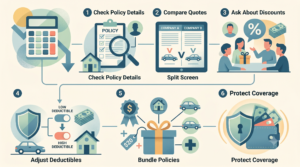
1. Correct Inaccurate Information
Check your address, mileage, vehicle details, household members, property features, and usage.
Incorrect information may affect pricing.
2. Ask About Discounts
Request a current discount review. Do not assume the insurer has automatically applied every discount.
3. Compare Providers
Get quotes from reputable insurers using the same coverage limits and deductibles.
4. Review Optional Benefits
Remove benefits you genuinely do not need, but understand the loss of protection first.
5. Consider a Different Deductible
A higher deductible may lower the premium, but choose one you could afford after a claim.
6. Bundle Carefully
Bundling may reduce cost or simplify management, but compare the total price with separate policies.
7. Improve Safety Where Practical
Security systems, safe-driving programs, maintenance, and other risk-reduction measures may qualify for discounts depending on the policy.
8. Review Payment Options
Ask whether paying annually or using a different method changes the total cost.
When Switching Insurers Makes Sense
Switching may be worth considering if:
- The price is significantly higher
- Coverage has weakened
- Customer service is poor
- Claims handling was unsatisfactory
- Another provider offers better value
- Discounts are unavailable
- Your circumstances changed
Before switching:
- Confirm the new policy is active
- Avoid a coverage gap
- Compare limits and exclusions
- Check cancellation fees
- Confirm payment dates
- Save the new documents
- Notify a lender if required
Do not cancel the current policy until replacement coverage is confirmed.
The cheapest quote may not be the best option if it has lower limits, high deductibles, restrictive exclusions, or poor claims support.
A Realistic Premium Increase Example
Suppose a homeowner’s annual premium rises from $1,200 to $1,500.
The homeowner compares the documents and discovers:
- The replacement-cost estimate increased
- A previous discount expired
- A separate storm deductible was added
- The home inventory was not updated
- The payment schedule changed from annual to monthly
After contacting the insurer, the homeowner:
- Corrects outdated property details
- Asks about a new security discount
- Compares the deductible options
- Requests an annual payment quote
- Compares two other providers using equal coverage
The final decision may be to stay with the insurer, change providers, or adjust the policy. The important point is that the homeowner made the decision using complete information rather than reacting only to the higher price.
Common Mistakes After a Premium Increase
- Canceling immediately: A coverage gap can create serious risk.
- Reducing limits without understanding them: Lower protection may cost more after a claim.
- Choosing a high deductible without savings: The lower premium may create an unaffordable claim.
- Comparing different policies: A cheap quote may include weaker coverage.
- Ignoring discounts: Some may have expired or been missed.
- Assuming a claim caused the increase: Broader pricing changes may be involved.
- Failing to check policy details: Incorrect information can affect cost and claims.
- Focusing only on monthly price: Compare total annual cost and out-of-pocket exposure.
- Trusting promotional pricing: Introductory discounts may expire.
- Letting coverage lapse: Do not cancel until replacement coverage is active.
Frequently Asked Questions
Why did my insurance premium increase if I did not file a claim?
Premiums may rise because of higher repair costs, increased claims in your area, inflation, changes in regulation, pricing adjustments, lost discounts, or updated policy information.
Can an insurer increase my premium at renewal?
Rules vary by location and policy, but insurers may adjust renewal pricing according to applicable regulations and policy terms. Review the renewal notice and ask for an explanation.
How can I lower my insurance premium?
Correct inaccurate information, ask about discounts, compare providers, review optional coverage, consider an affordable deductible, and evaluate payment options.
Should I raise my deductible to reduce my premium?
Only if you could comfortably pay the higher deductible after a covered event. Compare the annual savings with the additional financial risk.
Is bundling insurance always cheaper?
No. Bundling may offer a discount, but compare the total premium, limits, exclusions, deductibles, and service quality with separate policies.
Should I switch insurers after a rate increase?
Compare complete policies before deciding. Switching may help, but do not create a coverage gap or choose a cheaper policy without checking what protection is lost.
Does a higher premium mean better coverage?
Not necessarily. A higher price may reflect broader protection, higher limits, added benefits, increased risk, or simply changed pricing. Read the policy details.
How often should I review insurance prices?
Review at renewal and after major changes. You may also compare providers periodically, but avoid making changes without checking the full terms.
Key Takeaways
- Insurance premiums can increase even when you did not file a claim.
- Common reasons include higher repair costs, local claims, inflation, lost discounts, changed coverage, and updated personal information.
- Compare old and new policy documents before reacting.
- Check limits, deductibles, exclusions, discounts, and payment schedules.
- Ask the insurer specific questions about the increase.
- Correct inaccurate information and compare reputable providers.
- Consider a higher deductible only if you can afford it.
- Do not reduce important protection simply to lower the premium.
- Never cancel coverage until replacement protection is active.
- Readers can continue with how much insurance you need, signs you may be underinsured, and how insurance deductibles work.
- Those comparing multiple policies can also review how to bundle insurance policies.
A higher insurance premium is frustrating, but it does not automatically mean you must accept the new price or remove important coverage. Start by finding out what changed, checking whether the information is accurate, and comparing the total value of available options.
The best decision balances premium cost, coverage limits, deductibles, exclusions, and your ability to handle a serious loss.
This article is for informational purposes only and is not insurance advice.
Leave a Reply
You must be logged in to post a comment.